Third-party & AI risk consulting · US & EU
Third-party and AI risk, assessed by people who have run the program.
Third Party Threat Hunting (TPTH): gap assessments, managed third-party threat hunting and CPE-eligible training. Findings written for the examiner, not the shelf.
Frameworks we assess against
Start here
What do you need right now?
Each path leads to a fixed-scope offer.
01
Assess my program
Gap assessment mapped to the TPRA maturity model and the regulation you're examined under. Report, ranked findings, remediation plan.
Advisory & assessments →02
Run it for me
Managed third-party threat hunting: practitioners on your systemically critical vendors, automation on the rest. From $2,500 a month, month to month.
Managed tiers →03
Train my team
CPE-eligible. AI for TPRM Professionals, the Security Agent Mesh Masterclass, Securing SaaS and TPCRA — public courses or private delivery. Two of them together earn the CATRP credential.
Training & CATRP →On demand · Third Party Threat Hunting (TPTH)
Short courses you can start today
Video courses you buy on each course page and start watching the same day. The three $99 courses each include a toolkit of working files, a knowledge check, and a certificate of completion. The AI for TPRM course includes a student guide and workshop files. 7-day refund policy: if the course is not what you expected, email greg@thirdpartythreathunting.com within 7 days of purchase, even if you have watched it. A refund ends your access.
Your Core Provider Playbook
$99
Read your core provider contract against the 12 practices in the Sep 11, 2026 Joint Statement, with a review sheet and a renewal checklist.
See the courseWhen Your Vendor’s Vendor Fails
$99
Map your fourth parties, find the concentration points, and write an exit plan before an outage forces one.
See the courseTPRM With a Team of One
$99
Run third-party risk with a very small team: inventory, tiering, due diligence, monitoring, contracts and a one-page board report, with six working files.
See the courseSaaS Vendor Risk Playbook
$79
Assess, test and exit your SaaS vendors: tier the vendor, collect the right evidence and leave cleanly, with nine working files. Team packs available.
See the courseAI for TPRM Professionals, TPTH Edition
$199
Manage AI risk across the third-party lifecycle, with a workshop and a chapter on BEACON, our plain-language way to assess a vendor’s AI.
See the courseAll four short courses: the TPTH Toolkit Library, $299
Your Core Provider Playbook, TPRM With a Team of One, When Your Vendor’s Vendor Fails and the SaaS Vendor Risk Playbook on one personal link, $376 bought one by one. Need it for a team? Request a quote for a team bundle.
See the bundleFree on-demand class
See the AI your vendors are already running.
A free, 19-minute BEACON™ class for executives and risk leaders: six categories of vendor AI risk and a real case to work through.
Take the free class →Free on-demand training
See how your privileged accounts really measure up.
A free, 31-minute VAULTS™ training on privileged access review: six checks for every account, and a worked review you can follow along with.
Watch the trailer and get the training →The Evidence-First method
Four steps. The same practitioner from scope to hand-over.
Step 1
ScopeA 30-minute call, then a fixed-scope proposal. No paid discovery phase.Step 2
AssessDocument review, interviews and evidence testing against the framework you're examined under.Step 3
Close gapsRanked remediation with owners and dates, written for the board and the examiner.Step 4
Prove itRe-test, evidence pack and a hand-over your team can keep running.Trust Center
We publish our own control gaps, with target dates.
A vendor who only publishes strengths is asking you to assess on incomplete information. Our Trust Center follows the TPRA Trust Portal Guidance — assess us the way we would assess your vendors.
Open the Trust Center →Podcast · weekly
Third Party Threat Hunters — the TPTH podcast, with CISOs and GRC leaders
Latest: Beyond Cyber Vendor Risk with Jenna Wells · S2 E15 · Oct 20, 2026 · 35 min
Latest episode →Books
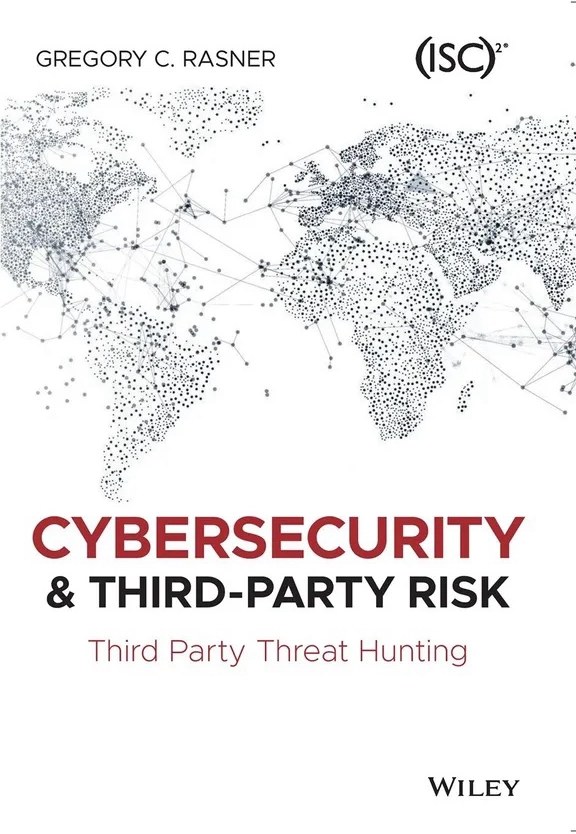
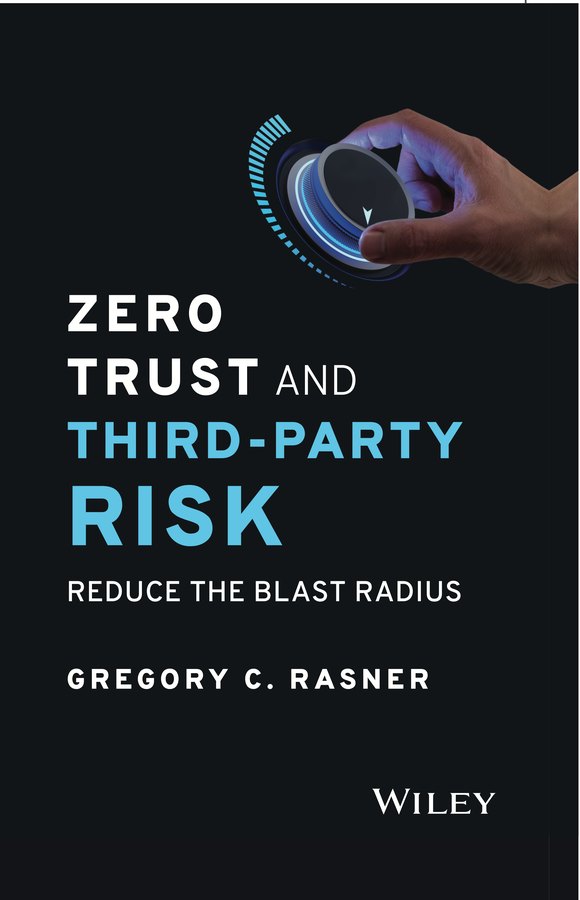
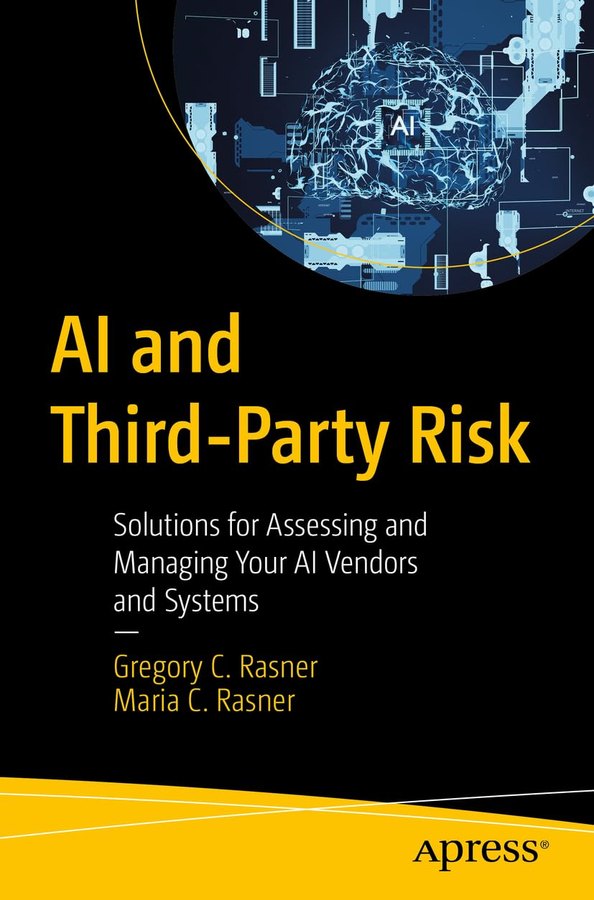
Four titles on cyber, zero trust, AI and privileged-access risk in the supply chain
The bookshelf →Training · next course
Securing SaaS Training
Full schedule & booking →FAQ
Questions we get first
Do you work with organizations that don't have a TPRM team yet?
What is CATRP and who is it for?
How does managed vendor risk work month to month?
Which regulations can you map our program to?
Who actually does the work?
Are your courses accredited? Do they count for CPE?
Someone handed us a TPTH certificate. How do we check it is real?
Do you sell or resell any software?
What is the Security Agent Mesh?
Can you train our team privately, on our own vendors?
What do we actually keep when the engagement ends?
Can we assess you as a vendor?
Do you do expert witness or litigation work?
Associate Program
Your pipeline is already built.
Build your own third-party risk practice on the TPTH brand, its books, podcast, training and speaking. See how it works and what Associates get.