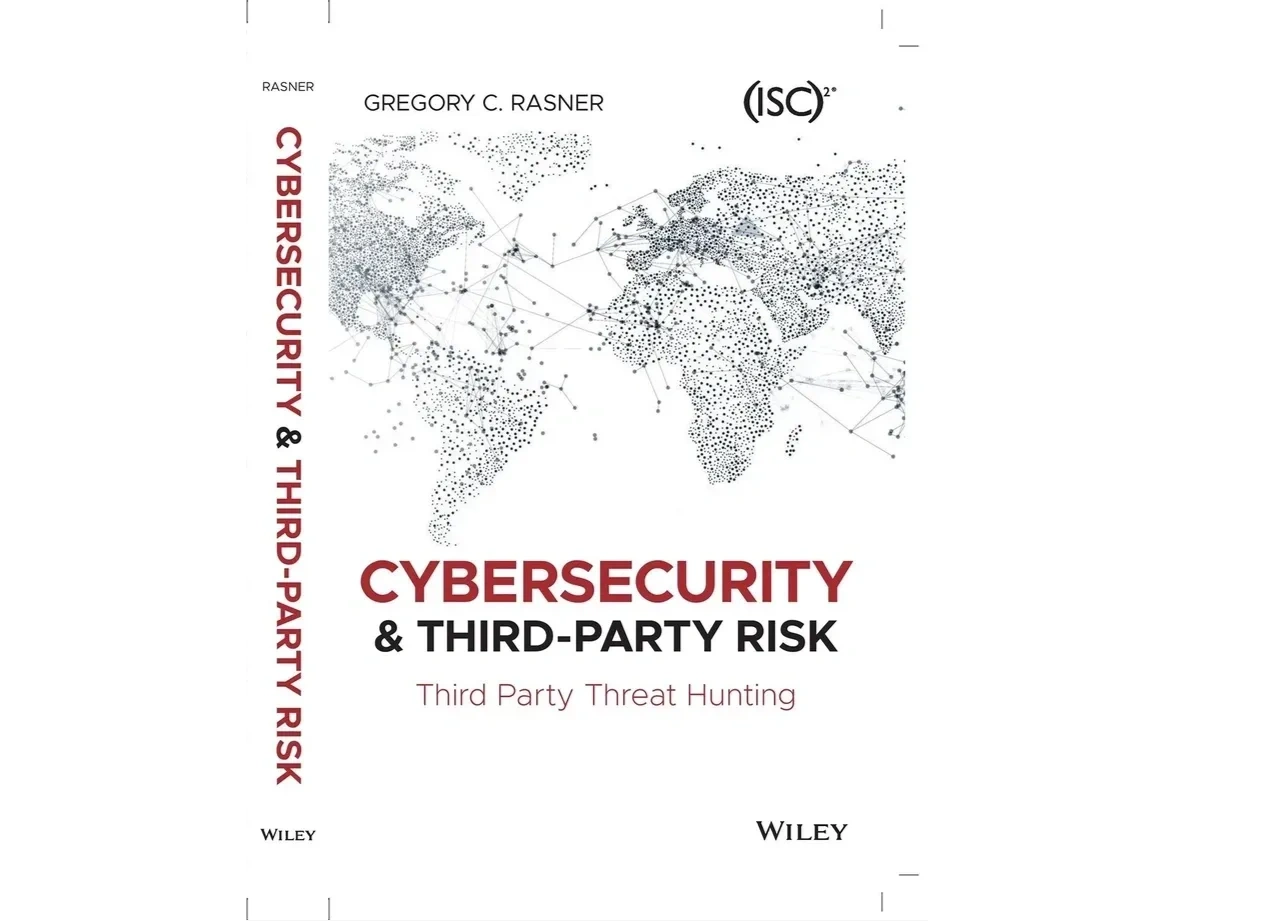
For a more comprehensive overview of TPRM, Cybersecurity Risk, Zero Trust, Privileged Access Management, and AI, visit my site: https://thirdpartythreathunting.com/the-books
What Exactly Is Third-Party Risk Management?
Third-party risk management is a structured approach to identifying, assessing, and mitigating risks associated with external vendors and service providers who have access to your systems, data, or facilities. The goal is to ensure that your organization's security posture isn't compromised by the actions (or inactions) of third parties.
TPRM isn't just about cybersecurity—it encompasses operational, financial, regulatory, strategic, and reputational risks. However, in today's digital landscape, cybersecurity concerns often take center stage due to the potentially devastating impact of data breaches and system compromises.
A comprehensive TPRM program typically includes:
- Vendor inventory and classification
- Risk assessments and due diligence
- Contractual safeguards
- Continuous monitoring
- Incident response planning
- Regular reassessment
Organizations with mature TPRM programs understand that this isn't a one-time exercise but rather an ongoing process that evolves alongside the business relationship.
Why Has Third-Party Risk Management Become So Critical?
The importance of TPRM has grown exponentially in recent years, driven by several factors:
Digital transformation: As organizations digitize their operations, they're increasingly dependent on technology vendors, cloud providers, and software-as-a-service (SaaS) solutions.
Regulatory pressure: Regulations like GDPR, CCPA, HIPAA, and industry-specific frameworks now explicitly require organizations to manage third-party risks.
Supply chain attacks: High-profile incidents like the SolarWinds breach have demonstrated how attackers can target an organization by first compromising its trusted vendors.
Expanded attack surface: Each third-party relationship potentially extends your organization's attack surface, creating new entry points for threat actors.
Operational dependency: Many organizations now rely so heavily on third parties that a disruption in these services can bring their own operations to a halt.
The consequences of inadequate TPRM can be severe, ranging from data breaches and regulatory fines to business disruption and reputational damage. This makes TPRM not just a security function but a critical business imperative.
How Do You Build an Effective Third-Party Risk Management Program?
Creating a robust TPRM program requires a systematic approach that aligns with your organization's risk appetite and business objectives. Here's how to build one:
1. Develop a Comprehensive Inventory
The foundation of any effective TPRM program is a complete inventory of all third-party relationships. This inventory should include:
- Basic vendor information
- Services provided
- Data access levels
- System integrations
- Business criticality
- Contractual terms
Many organizations are surprised to discover just how many third-party relationships they maintain when they conduct this exercise thoroughly. Cloud services, marketing tools, payment processors, maintenance contractors—all represent potential risk vectors.
2. Implement Risk-Based Categorization
Not all third parties pose the same level of risk. Categorizing vendors based on the potential impact they could have on your organization allows you to allocate resources efficiently.
Consider factors such as:
- Types of data accessed
- System access privileges
- Operational dependency
- Regulatory implications
- Geographic location
- Subcontractor relationships
This categorization helps prioritize which vendors require more rigorous assessment and ongoing monitoring.
3. Conduct Thorough Due Diligence
Due diligence should be proportionate to the risk level of each vendor. For high-risk vendors, this might include:
- Security questionnaires
- Documentation review
- Certification verification
- Financial stability assessment
- On-site assessments
- Penetration testing results
Many organizations use standardized frameworks like the Standardized Information Gathering (SIG) questionnaire or the Vendor Security Alliance (VSA) assessment to streamline this process.
4. Establish Strong Contractual Protections
Contracts are your primary legal protection against third-party risk. Key contractual elements should include:
- Security and privacy requirements
- Right-to-audit clauses
- Incident notification requirements
- Data handling procedures
- Service level agreements
- Termination provisions
- Liability and indemnification clauses
These contractual safeguards establish clear expectations and provide recourse if a vendor fails to meet security standards.
5. Implement Continuous Monitoring
Point-in-time assessments are insufficient in today's rapidly evolving threat landscape. Continuous monitoring helps detect emerging risks before they result in incidents.
Effective monitoring might include:
- Automated security rating services
- Vulnerability scanning
- News and breach monitoring
- Financial health tracking
- Compliance status updates
- Service performance metrics
Many organizations are now adopting real-time monitoring solutions that provide alerts when a vendor's security posture changes significantly.
6. Develop Incident Response Procedures
Despite best efforts, incidents involving third parties will occur. Having clear incident response procedures specifically for third-party incidents is essential. These procedures should address:
- Notification channels
- Escalation paths
- Investigation processes
- Containment strategies
- Communication plans
- Recovery procedures
- Post-incident reviews
Tabletop exercises that include scenarios involving third-party breaches can help test and refine these procedures.
7. Establish Governance and Oversight
Effective governance ensures that TPRM remains aligned with business objectives and risk tolerance. Key governance elements include:
- Clear roles and responsibilities
- Executive sponsorship
- Regular reporting
- Performance metrics
- Program reviews
- Continuous improvement mechanisms
The most successful TPRM programs have strong executive support and clear accountability at all levels of the organization.
What Are the Emerging Trends in Third-Party Risk Management?
The field of TPRM continues to evolve in response to changing business models and threat landscapes. Here are some emerging trends to watch:
Zero Trust Architectures
The zero trust security model operates on the principle of "never trust, always verify," requiring authentication and authorization for every access request, regardless of where it originates. This approach is particularly valuable for managing third-party access to systems and data.
Zero trust implementations typically include:
- Micro-segmentation
- Least privilege access
- Multi-factor authentication
- Continuous validation
- Detailed access logging
By implementing zero trust principles, organizations can significantly reduce the risk posed by compromised third-party accounts or systems.
Nth-Party Risk Management
Many organizations now recognize that their third parties have their own third parties (your fourth parties or referred to as Nth Parties because it can go out to fifth, sixth, and on...), creating complex supply chain risks that are difficult to assess through traditional methods.
Advanced TPRM programs are developing approaches to manage these extended risks, including:
- Contractual flow-down requirements
- Supply chain mapping
- Concentration risk analysis
- Fourth-party monitoring services
Understanding these deeper supply chain relationships is becoming essential for comprehensive risk management.
AI and Automation
Artificial intelligence and automation are transforming TPRM by enabling more comprehensive and efficient risk assessments.
Key applications include:
- Automated questionnaire analysis
- Continuous control monitoring
- Predictive risk scoring
- Anomaly detection
- Natural language processing for contract review
These technologies help organizations scale their TPRM programs without proportionally increasing resources.
Collaborative Risk Management
Industry consortiums and information-sharing initiatives are gaining traction as organizations recognize the benefits of collaborative approaches to TPRM.
These collaborations often include:
- Shared assessments
- Standardized questionnaires
- Centralized risk registries
- Threat intelligence sharing
- Best practice development
By working together, organizations can reduce the assessment burden on both themselves and their vendors while improving overall security.
How to Measure the Effectiveness of Your TPRM Program
A mature TPRM program should include metrics that demonstrate its effectiveness and value to the organization. Key performance indicators might include:
- Coverage metrics (percentage of vendors assessed)
- Risk reduction metrics (number of identified issues remediated)
- Efficiency metrics (assessment completion time)
- Incident metrics (third-party-related security events)
- Financial metrics (cost avoidance, resource efficiency)
Regular reporting on these metrics helps maintain executive support and drives continuous improvement of the program.
Common Challenges in Third-Party Risk Management
Despite its importance, implementing effective TPRM isn't without challenges:
Resource constraints: Many organizations struggle to allocate sufficient resources to thoroughly assess and monitor all third parties.
Vendor resistance: Vendors may resist assessment requests, particularly if they're inundated with similar requests from multiple customers.
Assessment fatigue: Security teams can experience burnout from conducting repetitive assessments across numerous vendors.
Data quality issues: Obtaining accurate and complete information from third parties can be difficult.
Complex supply chains: Understanding multi-tier supplier relationships presents significant challenges for many organizations.
Balancing security and business needs: Overly restrictive TPRM processes can impede business operations and innovation.
Addressing these challenges requires a combination of technology, process optimization, and organizational alignment.
Frequently Asked Questions About Third-Party Risk Management
How often should we reassess our third-party vendors?
The frequency of reassessment should be based on the vendor's risk level and the nature of the relationship. High-risk vendors typically warrant annual reassessments, while medium-risk vendors might be assessed every two years. Low-risk vendors may require less frequent formal assessments but should still be subject to continuous monitoring for significant changes in their risk profile.
What's the difference between third-party risk management and vendor management?
While the terms are sometimes used interchangeably, vendor management typically focuses on operational and commercial aspects of vendor relationships (contracts, performance, costs), whereas third-party risk management specifically addresses the security, privacy, and compliance risks associated with those relationships. Comprehensive programs address both aspects.
How do we handle vendors who refuse to complete security assessments?
This is a common challenge that requires a balanced approach. Start by understanding their concerns—they may be overwhelmed with similar requests or have confidentiality concerns. Consider accepting alternative evidence (certifications, audit reports) or offering to use standardized assessment frameworks. For critical vendors who still refuse, escalate to business relationship owners and potentially to executive leadership for risk acceptance decisions.
Should we include all vendors in our TPRM program?
While all vendors should be inventoried, applying the full TPRM process to every vendor isn't practical or necessary. Use risk-based categorization to determine the appropriate level of scrutiny for each vendor. Some low-risk vendors may require only basic screening, while critical vendors handling sensitive data will need comprehensive assessment.
How can we make our TPRM program more efficient?
Efficiency improvements can come from several sources: standardizing assessment methodologies, accepting industry certifications in lieu of custom assessments, implementing automation for routine tasks, participating in shared assessment programs, and using tiered assessment approaches based on risk levels. The goal should be to focus resources where the risk is greatest.
Conclusion
Third-party risk management has evolved from a compliance checkbox to a strategic imperative for organizations of all sizes. As business ecosystems become more interconnected, the security and resilience of your organization increasingly depend on how well you manage third-party risks.
Building an effective TPRM program requires a systematic approach that balances security requirements with business objectives. By developing comprehensive inventories, implementing risk-based assessments, establishing strong contractual protections, and maintaining continuous monitoring, organizations can significantly reduce the risks posed by third-party relationships.
As the threat landscape continues to evolve, so too must TPRM practices. Emerging trends like zero trust architectures, fourth-party risk management, and AI-powered assessments represent the next frontier in managing these complex risks.
Remember that TPRM is not a one-time project but an ongoing program that requires continuous refinement and adaptation. By investing in robust third-party risk management capabilities, organizations can confidently pursue the benefits of third-party relationships while effectively managing the associated risks.
And be sure to check out my books, "Cybersecurity &Third-Party Risk: Third-Party Threat Hunting" and "Zero Trust and Third-Party Risk: Reduce the Blast Radius" to learn a more in-depth way to implement these recommendations. And stay-tuned for my upcoming book "AI & Third-Party Risk" due out in February 2026!
From Third Party Threat Hunting™ (TPTH™)
Put it to work
Which of your vendors are critical?
The free eight-step vendor checklist: sort your vendors into systemically critical, critical or ordinary.
Get the checklist →Ready for the exam?
The free exam and audit readiness scorecard: eight questions to ask yourself before an examiner or auditor does.
Get the scorecard →Privileged access
The free VAULTS™ training: 31 minutes on privileged access review, with a worked review.
Get the free training →