In modern vendor ecosystems, your direct contract with a SaaS provider is only the tip of the iceberg. Behind every third party lies a complex web of cloud hosting providers, sub-processors, open-source libraries, and third-party APIs.
According to recent industry data, while nearly $90\%$ of organizations cite concern over supply-chain cyber risk, fewer than $20\%$ have clear visibility into their Nth-party suppliers.
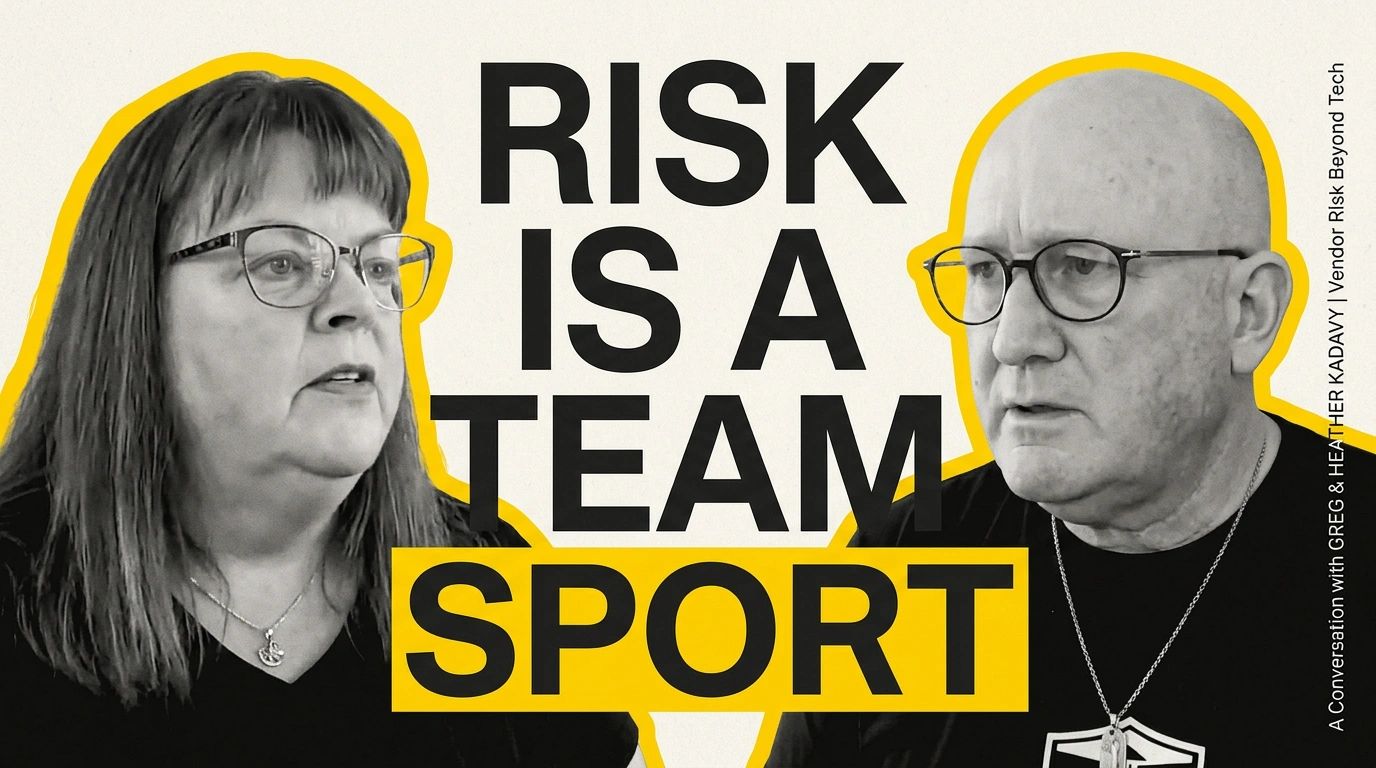
When sitting down with Heather Kadavy on Third Party Threat Hunters, we dissected how modern risk programs must evolve past static, point-in-time questionnaires to tackle deep supply-chain exposure.
The Unseen Threat: Shadow AI in the Supply Chain
The rapid integration of AI tools into enterprise workflows has created a major visibility gap: Shadow AI within third-party tools.
Your vendors are actively integrating third-party AI models and LLM APIs into their software features. If your TPRM program relies solely on an annual SOC 2 review, you are likely missing:
- Where your company's data flows once it hits the vendor's application.
- Whether fourth-party AI providers train their models on customer inputs.
- How sub-processors manage data retention and prompt injection vulnerabilities.
3 Steps to Expose Deep Supply-Chain Risk
- Re-evaluate Contractual Triggers: Require vendors to notify you of critical sub-processor changes or integrated AI APIs—not just annual policy updates.
- Tier by Data Flow, Not Just Vendor Size: A small, niche software vendor with direct access to customer PII or API pipelines presents significantly higher risk than a massive office supply vendor. Tier your assessment depth accordingly.
- Continuous Threat Hunting Over Static Artifacts: Combine traditional questionnaires with continuous threat intelligence, monitoring vendor breach histories, domain exposures, and active supply-chain advisories.
Managing third-party risk in 2026 demands moving from passive compliance checks to proactive, intelligence-led threat hunting.
Stream the full conversation with Heather Kadavy on *YouTube**.*
From Third Party Threat Hunting™ (TPTH™)
Put it to work
Which of your vendors are critical?
The free eight-step vendor checklist: sort your vendors into systemically critical, critical or ordinary.
Get the checklist →Ready for the exam?
The free exam and audit readiness scorecard: eight questions to ask yourself before an examiner or auditor does.
Get the scorecard →