Introduction to Zero Trust and Third-Party Risk
If your organization works with vendors, and virtually every organization does, you need to accept an uncomfortable truth: a breach at one of your third parties is not a matter of if, but when. Data breaches rose over 14% in 2022, on the heels of a 68% surge from 2020 to 2021. Malicious cyber activity has increased by more than 800% since early 2020, according to FBI reporting. And most organizations have dozens to thousands of vendors, each one a potential entry point for attackers.
The SolarWinds breach of 2021 was a watershed moment. An advanced persistent threat (APT) actor quietly embedded malicious code into a widely used software product, using it as a backdoor to compromise major technology companies and government agencies. The lesson wasn't just that SolarWinds was vulnerable: it was that your vendors are your attack surface.
So what's the answer? Zero Trust.
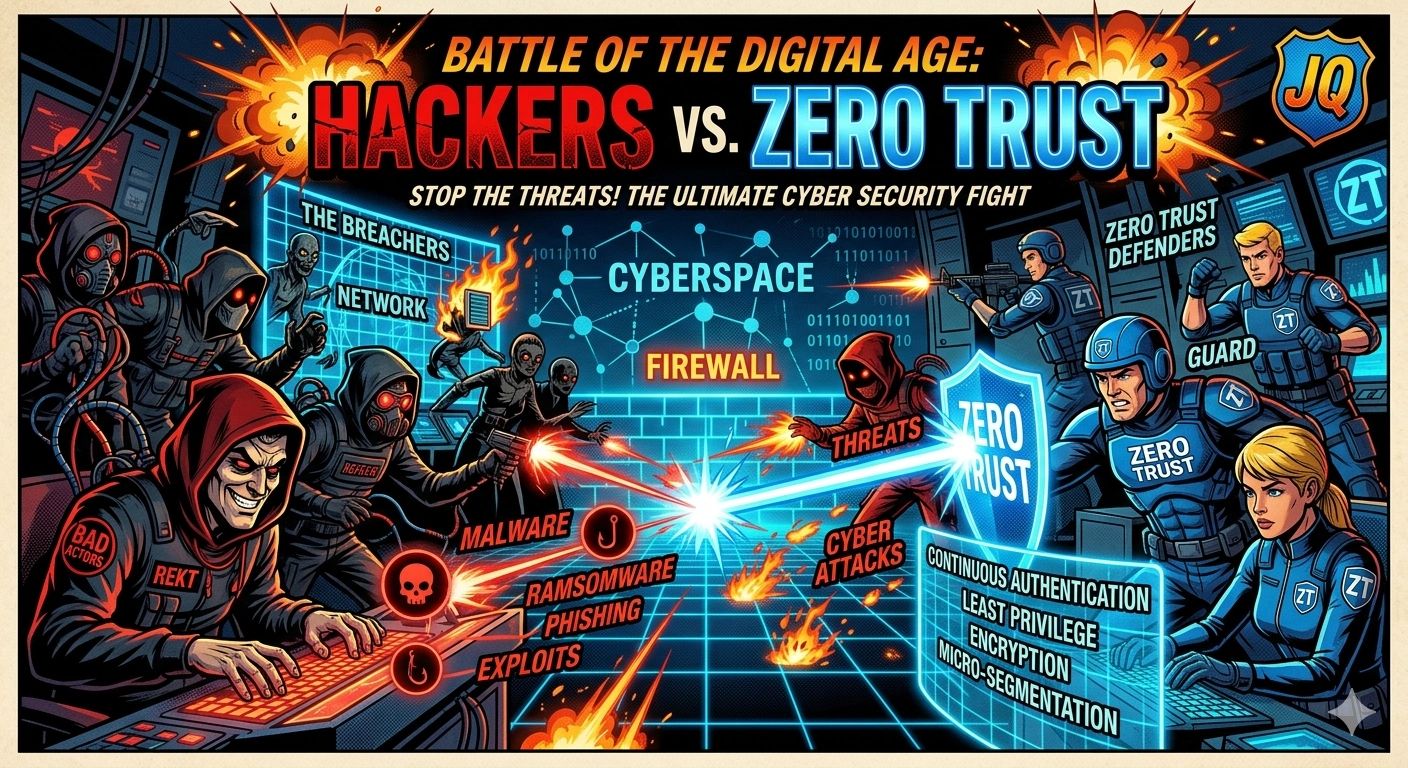
Zero Trust is a security strategy built on a simple but powerful premise: assume you are already breached. Rather than building higher walls around your organization, Zero Trust is about minimizing the damage: the "blast radius" : when a breach occurs. It combines strict identity verification, least-privilege access, network microsegmentation, and continuous monitoring to contain the impact of any intrusion.
This blog series explores the intersection of Zero Trust and Cyber Third-Party Risk Management (CTPR). Over 15 posts, we'll walk through the theory, the frameworks, the practical controls, and real-world application. Whether you're just starting your journey or looking to mature an existing program, this series is designed to be your field guide.
What You'll Learn in This Series:
From foundational Zero Trust concepts and NIST frameworks, to how to apply Zero Trust controls to third-party users, applications, and infrastructure, and how to assess your vendors' own Zero Trust maturity, this series covers the full spectrum. We'll also walk through a realistic fictional company, KC Enterprises, to show how these strategies play out in practice.
Key Takeaway: Zero Trust isn't a product you buy. It's a journey you embark on, and starting that journey with your third-party vendors is one of the highest-impact decisions you can make.
Tags: Zero Trust | Third-Party Risk | Cybersecurity Strategy | Introduction
From Third Party Threat Hunting™ (TPTH™)
Put it to work
Privileged access
The free VAULTS™ training: 31 minutes on privileged access review, with a worked review.
Get the free training →Have us run it
Managed third-party threat hunting: practitioners on your systemically critical vendors, automation on the rest.
See the managed tiers →